

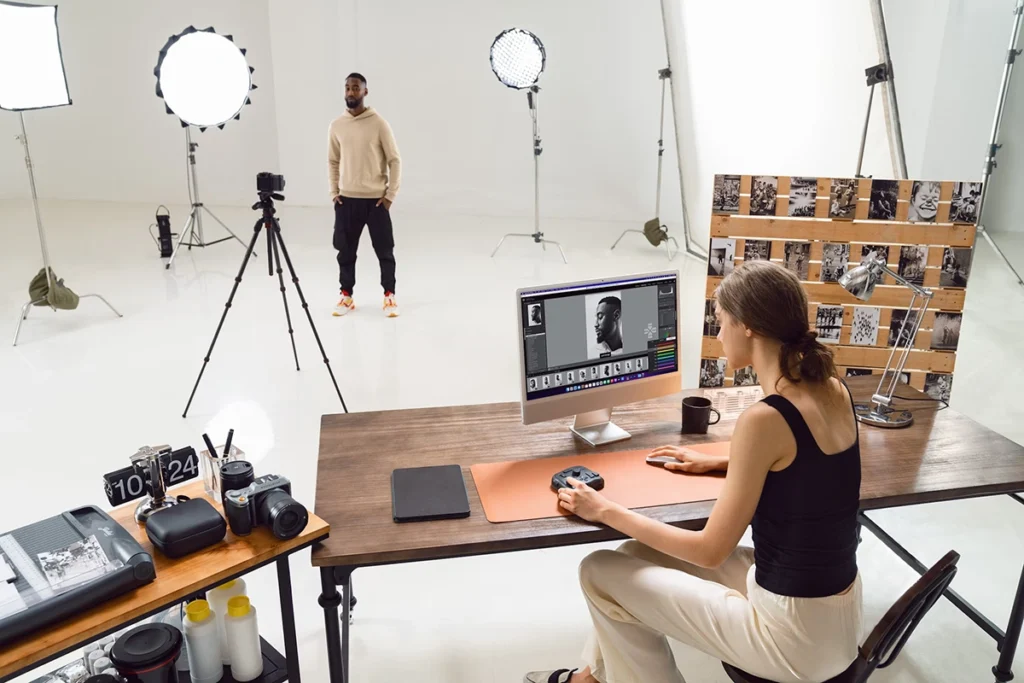
Building a successful photography studio involves a lot more than just owning a high-quality camera and a creative eye. The physical space of a studio requires a deliberate ecosystem of tools designed to control light, streamline workflows, ensure safety, and deliver professional-tier results consistently. Whether you are specializing in portraiture, commercial product photography, or fine art, the right gear acts as the foundation of your business.
Investing in a commercial studio space means preparing for a variety of client demands. To transition from a casual shooting space to a fully optimized commercial workspace, photographers must carefully select equipment that balances durability, versatility, and technical performance. This comprehensive guide outlines the vital gear categories required to run a productive, professional photo studio.
Professional Lighting Systems
Light is the most fundamental component of photography, and inside a studio, you have the unique advantage of complete control over it. Relying on natural light is limiting, so a professional setup requires reliable artificial light sources.
Monolights and Strobe Lighting
Studio strobes, or monolights, are the workhorses of commercial photography. These self-contained flash units house the flash tube, modeling light, and power generator in a single body. They offer high power outputs, which allows you to shoot at lower ISO settings and sharper apertures even in completely dark rooms. Look for strobes with fast recycle times and consistent color temperature across their power range to avoid variations during a fast-paced shoot.
Continuous Lighting Solutions
Continuous lighting remains illuminated constantly rather than firing in a short burst. Light-emitting diode panels have revolutionized this segment by offering high-power output with low heat generation and excellent energy efficiency. Continuous light is indispensable if your studio handles video production alongside still photography. It also allows you to see exactly where shadows fall on your subject in real time before pressing the shutter button.
Light Modifiers and Control Tools
Raw light from a flash or an LED panel is often harsh and creates unflattering shadows. Light modifiers alter the quality, direction, and spread of your light sources to sculpt your subjects beautifully.
Softboxes and Octaboxes
Softboxes are fabric enclosures that fit over your light source, utilizing internal and external diffusion panels to soften the light. Octaboxes, which are octagonal softboxes, are highly favored in portraiture because they create a natural, round catchlight in the eyes of the subject, mimicking the shape of the sun or a window.
Umbrellas and Reflectors
-
Shoot-Through Umbrellas: These spread light over a massive area, making them ideal for large groups or broad environmental illumination.
-
Reflective Umbrellas: These bounce light back onto the scene, directing a slightly more focused but still softened beam toward the subject.
-
5-in-1 Reflectors: A budget-friendly studio staple featuring white, silver, gold, black, and translucent surfaces to bounce, warm, cool, or block light as needed.
Grids, Snoots, and Barn Doors
When you need to restrict light rather than soften it, these modifiers are essential. Grids restrict the beam spread to prevent light spill onto your background. Snoots narrow the light down into a precise spotlight circle, which is ideal for hair highlights or dramatic product lighting. Barn doors use adjustable metal flaps to shape the light beam dynamically.
Backdrops and Support Systems
The background sets the tone, mood, and context of your imagery. A successful studio needs a versatile selection of backdrops paired with heavy-duty mounting hardware.
Seamless Paper Roll Systems
Seamless paper remains the industry standard for commercial and portrait studios. Available in dozens of colors and standard widths like eighty-six inches or one hundred and seven inches, paper rolls provide a smooth, flawless background devoid of texture. When a section becomes dirty or torn from footsteps, you simply cut it off and roll down a fresh section.
Muslin and Canvas Backdrops
For a more fine-art or textured aesthetic, painted canvas and fabric muslin backdrops are preferred. Hand-painted canvas backdrops add immense depth and a painterly quality to portraits. They are more costly than paper but can last a lifetime if stored correctly.
Rigid Wall Tracks and Portable Stands
To support these backdrops, a permanent wall-mounted chain or motorized roller system is best for saving floor space. If drilling into walls is not an option, heavy-duty portable backdrop stands consisting of two upright tripods and a telescoping crossbar will suffice.
Grip Equipment and Heavy-Duty Support
Camera shake and falling lights ruin shoots and destroy expensive gear. Robust grip equipment ensures everything stays precisely where you position it while keeping your clients safe.
Century Stands
Often referred to as C-stands, these are the most reliable support structures in any photo studio. Constructed from heavy steel, their unique staggered leg design allows multiple stands to be nested closely together. Paired with a grip arm and knuckle, a C-stand can safely suspend heavy lights, boom arms, or flags directly over a subject without tipping over.
Sandbags and Safety Cables
Safety should always be your top priority. Every single light stand and C-stand in your studio must be weighted down with heavy sandbags placed on the highest leg of the base. Additionally, when mounting lights overhead on booms or trusses, steel safety cables must secure the light chassis to the mount to prevent accidental falls.
Tethering Systems and Digital Workstations
In a professional studio environment, shooting blind on a tiny camera screen is inefficient. Tethering involves connecting your camera directly to a computer monitor during the session.
Tethering Cables and Software
High-speed data transfer cables link your camera port to a laptop or desktop computer. Using dedicated software, images appear on a large screen seconds after the shutter clicks. This allows the photographer, clients, and art directors to review fine details like focus accuracy, facial expressions, and composition in real time, catching mistakes instantly.
Calibrated Displays and Color Management
A successful studio needs a monitor that displays colors perfectly. Investing in a monitor calibration tool ensures that what you see on your screen matches the actual file data, which prevents costly color mismatch errors when sending files to commercial print labs.
Comfort and Client Amenities
The success of a studio is not measured solely by its technical gear; the client experience matters just as much. If a subject is uncomfortable, it shows in their expression.
Makeup and Styling Station
Dedicate a corner of your studio to a well-lit vanity mirror with daylight-balanced bulbs. A comfortable chair, a garment rack, a reliable clothing steamer, and basic wardrobe styling clips will help clients and hair and makeup artists prepare smoothly.
Posing Stools and Furniture Variety
Keep an assortment of posing furniture on hand, including adjustable apple boxes, minimalist wooden stools, and neutral chairs. These items help adjust subject heights easily and add structure to your compositions without distracting from the main subject.
Frequently Asked Questions
What is the difference between a speedlight and a studio monolight?
Speedlights are compact, battery-powered flashes designed to mount directly onto a camera hot shoe, making them highly portable but limited in power and recycle speeds. Studio monolights are larger, plug into wall outlets or heavy external batteries, and offer significantly higher power outputs alongside a modeling light, allowing for faster shooting speeds and better use of massive light modifiers.
How many light sources do I need to start a functional commercial photo studio?
While you can achieve beautiful results with a single light and a reflector, a three-light setup is generally considered the baseline for a fully versatile commercial studio. This configuration allows you to have a primary key light for the subject, a fill light to control shadow depth, and a third light dedicated to illuminating the background or acting as a hair light to separate the subject from the dark environment.
Why are apple boxes so popular in professional photo studios?
Apple boxes are heavy-duty wooden boxes available in standardized sizes like full, half, quarter, and pancake. They are incredibly versatile studio tools used to raise the height of a posing stool, support heavy equipment, elevate short subjects in group photos, or serve as simple, rustic seats for minimalist portraits.
What is a modeling light on a studio flash and why is it important?
A modeling light is a secondary, continuous bulb built into a strobe unit next to the main flash tube. Because a flash only illuminates for a fraction of a second, the continuous modeling light helps the photographer visualize exactly where the shadows and highlights will fall on the subject, aiding in precise light placement before the photo is taken.
How do I choose between a white backdrop and a gray backdrop for general studio use?
If you can only choose one, a medium gray backdrop is the most versatile option. By manipulating the distance of your light sources, a gray backdrop can easily be overexposed to appear pure white or left in the shadows to appear deep black, giving you three distinct looks from a single roll of paper.
What is a radio trigger system and how does it work in a studio?
A radio trigger consists of a transmitter attached to your camera hot shoe and receivers built into or attached to your studio strobes. When you press the shutter button, the transmitter sends a wireless radio signal that fires all connected studio lights simultaneously, eliminating the need for hazardous sync cords trailing across the studio floor.
How often should I calibrate my studio monitor for accurate editing?
For consistent professional results, you should calibrate your studio display at least once a month using a hardware colorimeter. Over time, monitor backlights naturally shift in brightness and color accuracy, and regular calibration ensures that your edits remain true to life and ready for professional printing.

Comments are closed.