
Navigating the fashion and commercial modeling industry can be an exhilarating yet overwhelming experience for aspiring talent. While raw potential, dedication, and a unique look are foundational to building a modeling career, the trajectory of your professional journey depends heavily on the representation you secure. A reputable modeling agency acts as your career architect, opening doors to high-profile clients, negotiating legal contracts, managing billing collections, and guiding your personal brand development.
The modeling industry can be highly competitive and occasionally predatory, making it vital for models and their families to understand how professional representation functions. Choosing the right agency requires moving past the superficial allure of a prestigious name to evaluate contract terms, agent-to-talent ratios, financial transparency, and market specialization. By applying a rigorous evaluation framework, you can select an agency that aligns with your specific physical attributes and professional goals while safeguarding your financial and personal safety.
Understand the Different Types of Modeling Agencies
Before submitting your portfolio to every agency in sight, you must understand that the modeling industry is highly segmented. Different agencies cater to distinct markets, client types, and modeling categories. Aligning your unique physical look and career aspirations with the right agency type will save time and prevent early rejections.
Editorial and High-Fashion Agencies
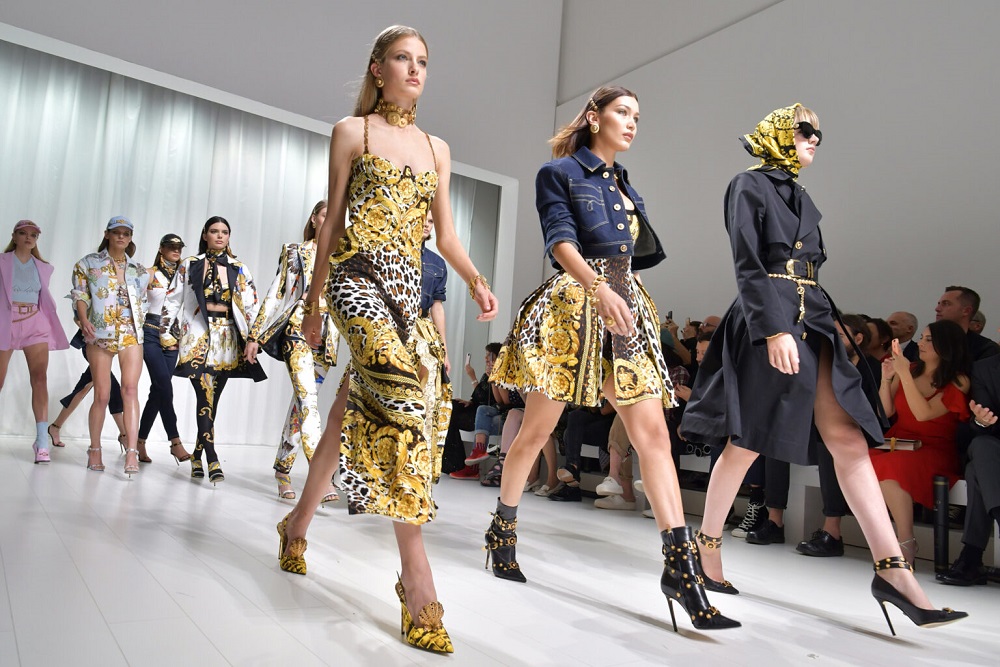
Editorial agencies represent models who fit the strict structural requirements of haute couture, major designer runway shows, and high-end fashion editorial campaigns. These agencies typically look for specific height ranges, precise body measurements, and distinct, often striking facial structures. Editorial representation can lead to global recognition, working with historic luxury fashion houses and appearing in international publications.
Commercial Modeling Agencies
Commercial modeling focuses on advertising campaigns for everyday consumer products, tech brands, pharmaceutical companies, and catalog work. Unlike the editorial sector, commercial agencies represent talent of diverse heights, ages, body types, and ethnic backgrounds. The primary requirement for commercial modeling is relatability, an approachable appearance, and the ability to project authentic human emotion on camera. This sector represents a massive portion of the industry and offers stable, lucrative financial opportunities.
Boutique vs Corporate Mega-Agencies
Agencies also differ drastically in their structural size.
-
Corporate Mega-Agencies: These firms possess massive global networks with offices in major fashion capitals like New York, Paris, Milan, and London. They offer unparalleled client connections and maximum visibility, but their talent rosters are vast, meaning newer models can easily feel overlooked or lost in the crowd.
-
Boutique Agencies: These smaller, localized agencies manage a highly curated, selective roster of talent. They provide deeply personalized career guidance, hands-on development, and direct access to agents. While their immediate client reach might be smaller, the level of attention you receive can be instrumental in building a sustainable career foundation.
Evaluate Agency Legitimacy and Spot Red Flags
The desire to break into modeling can sometimes cloud judgment, leaving aspiring talent vulnerable to untrustworthy organizations. Legitimate modeling agencies operate on a highly standardized business model, and deviations from these norms are major indicators of a scam.
The Upfront Fee Rule
The most absolute rule of professional modeling representation is that a legitimate agency will never charge an upfront fee to sign you or represent you. Agencies operate strictly on a commission structure. They only earn money when they book you a paid modeling job with an external client. If an organization demands an upfront processing fee, a website maintenance fee, or a registration fee before offering representation, walk away immediately.
Mandatory Photography Packages
Be highly skeptical of agencies that require you to pay for a specific, in-house photographer to shoot your portfolio test images. While you will eventually need professional portfolio photos, a legitimate agency will provide a list of recommended independent photographers across varying price points, or they will advance the cost of a test shoot against your future earnings. If an agency insists that you must buy their proprietary photography package to gain representation, they are likely operating a photography studio scam rather than a true talent agency.
Pressure and Intimidation Tactics
Professional representation is a business partnership that requires careful consideration. If an agent pressures you to sign a contract on the spot without allowing you to take the document home to review with a parent, legal counsel, or a trusted mentor, this indicates a lack of professional integrity. Legitimate agencies expect you to read the fine print and perform your own due diligence before entering a binding legal agreement.
Analyze Contractual Agreements and Commission Structures
Securing an offer of representation is a major milestone, but you must thoroughly analyze the underlying contract before signing. The language inside a modeling contract dictates your professional freedom, geographic mobility, and financial compensation for years to come.
Mother Agency vs Local Representation
If you reside outside a major fashion capital, you will likely sign with a local mother agency first. A mother agency focuses on discovering raw talent, teaching foundational industry skills, and building your initial portfolio. Crucially, a mother agency works to place you with larger, major market agencies in cities like New York or Los Angeles. Ensure your contract clearly outlines how commission is split when a secondary agency is introduced; typically, the mother agency takes a small percentage of the secondary agency’s commission, rather than adding an extra financial burden to your gross pay.
Exclusive vs Non-Exclusive Contracts
Contracts generally fall into two legal categories.
-
Exclusive Contracts: This agreement dictates that the agency is your sole legal representative within a defined geographic territory or industry sector. You cannot book modeling work independently or through another agency without violating the contract. Exclusive contracts are standard for top-tier fashion representation and ensure the agency is fully motivated to market you to premier clients.
-
Non-Exclusive Contracts: This arrangement allows you to sign with multiple agencies simultaneously or source your own freelance modeling work. Non-exclusive agreements are common in commercial markets, lifestyle modeling, and smaller regional territories, offering maximum flexibility for the model.
Commission Percentages and Deductions
Standard agency commissions typically hover between fifteen and twenty percent of the model’s gross earnings for a booking. Review the contract to verify that the commission rate matches industry standards. Additionally, look for clauses regarding deductible expenses. Agencies often advance funds to pay for portfolio printing, website profile hosting, or runway training classes. Ensure the contract explicitly states that these advanced expenses are only recoupable from your modeling earnings, meaning you do not owe the agency out-of-pocket money if you do not book jobs.
Research the Client Roster and Agent Relationships
An agency is only as effective as its relationships with actual paying clients. Before committing to representation, investigate the agency’s current standing in the market to ensure they can deliver real career opportunities.
Review the Working Client Base
Look at the agency’s official website and active social media channels to see their tear sheets, which are published examples of their models working in actual ad campaigns, catalogs, and magazines. If an agency’s roster consists entirely of beautiful test photos but shows no evidence of models booking commercial print work, digital campaigns, or runway shows, the agency may lack the industry network required to advance your career.
Assess Agent Punctuality and Communication
During your initial interviews or open-call auditions, pay close attention to how the agents interact with you and their staff. Are they organized, punctual, and transparent when answering questions? Do they seem genuinely interested in developing your long-term potential, or are they focused solely on immediate trends? A successful modeling career requires constant communication regarding castings, travel schedules, and branding, making a supportive, communicative relationship with your booker essential.
Frequently Asked Questions
Can minor children sign with a modeling agency independently?
No, individuals under the age of eighteen cannot legally sign a binding modeling contract without the explicit written consent and co-signature of a parent or legal guardian. Reputable agencies representing child or teen models will always require a parent to be present during auditions, interviews, and actual bookings to ensure the minor’s safety, education, and labor laws are fully respected.
Do I need professional modeling photos before approaching a top agency?
You do not need to invest in expensive professional photography before approaching an agency. Agencies actually prefer to see you in your most natural state. Simple snapshots, commonly referred to as digitals or polaroids, are completely sufficient. Take these photos in bright, natural daylight wearing minimalist clothing, such as a plain t-shirt and fitted jeans, with zero makeup, allowing the agents to see your true bone structure and physical proportions.
What is an open call, and how should I prepare for one?
An open call is a designated day and time when a modeling agency opens its doors to the public, allowing aspiring talent to walk in without an appointment to be evaluated by scouting agents. To prepare, arrive well-groomed with clean hair and a fresh face. Bring a simple headshot and full-body snapshot with your accurate contact details, height, and body measurements written clearly on the back.
Is it possible to break a modeling contract if the agency is not booking you work?
Breaking a modeling contract depends entirely on the specific clauses written into the agreement. Many professional contracts include a performance clause stating that if the agency fails to book you a specific number of jobs or generate a baseline amount of income within a consecutive four to six-month period, the model has the legal right to terminate the agreement in writing.
What is the difference between a modeling agency and a modeling school?
A modeling agency operates on a commission basis and makes money only when you make money by booking professional work with commercial clients. A modeling school operates by charging you upfront tuition fees for classes on walking, posture, and makeup application, with no guarantee of career placement or industry representation. Legitimate agencies do not require you to attend a modeling school to sign with them.
How do agencies handle travel and housing expenses for models moving to major markets?
When an agency wants to bring a promising model into a major fashion market like New York or Paris, they will often arrange and pay for shared model housing and flight tickets upfront. However, this is not free money. These costs are treated as an advance or debt against the model’s future booking earnings. The agency will deduct these housing and travel expenses from your first paid modeling paychecks until the balance is completely cleared.

Comments are closed.