

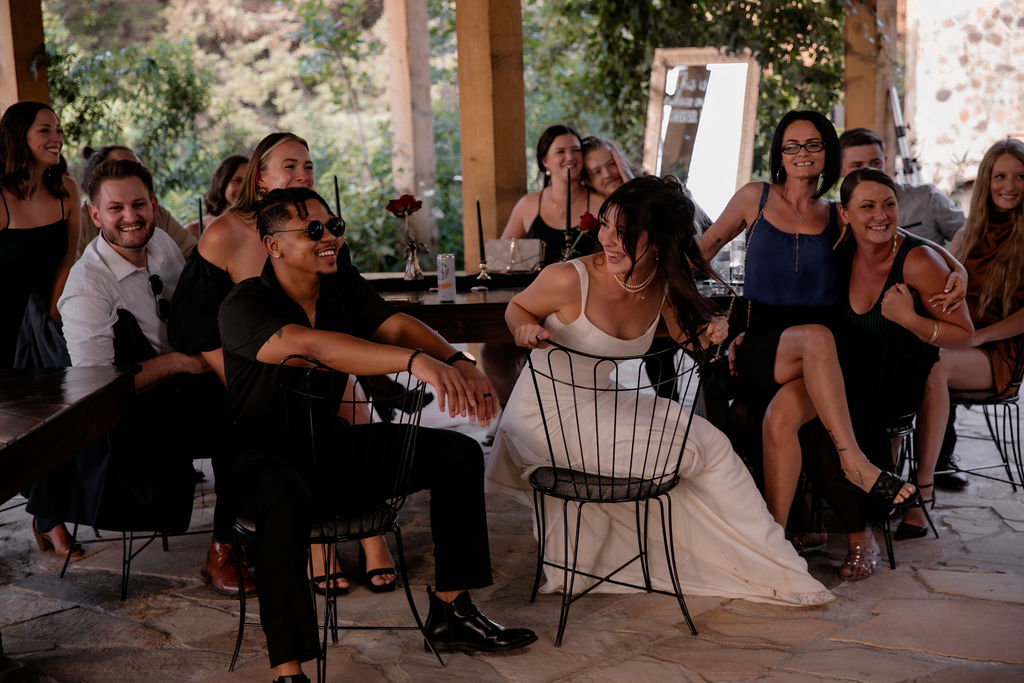
While a wedding day is fundamentally a celebration of a couple’s commitment to one another, the most successful events are designed with a deep appreciation for the guest experience. Modern weddings have evolved from passive viewing events into immersive, hospitality-driven experiences. When guests travel, adjust their schedules, purchase attire, and invest their time to celebrate your milestone, their comfort and enjoyment should become a core pillar of your planning process.
A memorable wedding does not necessarily require an astronomical budget. Instead, it relies on intentional planning, seamless logistics, exceptional hospitality, and thoughtful details that make every attendee feel seen, valued, and entertained. By shifting your perspective from what looks good in photographs to how a choice impacts the people in the room, you can design a celebration that guests will rave about for years to come. This guide outlines the essential strategies for elevating your wedding day into an unforgettable experience for your guests.
Prioritizing Clear Communication and Seamless Logistics
A major source of guest frustration occurs long before the wedding day begins, often rooted in confusion over timing, locations, and expectations. Eliminating logistical friction ensures your guests arrive relaxed and ready to celebrate.
Building a Comprehensive Wedding Website
Your wedding website should serve as a centralized information hub. Beyond the basic date and location, provide explicit details that help guests plan their weekend effectively. Include a detailed breakdown of the dress code with visual examples, direct links to hotel room blocks at varying price points, lists of local restaurants and attractions for downtime, and clear maps of the venue locations.
Streamlining Transportation and Signage
If your ceremony and reception are held at different locations, or if the venue is situated in a remote area, providing coordinated transportation is one of the most impactful investments you can make. Shuttle buses running between the primary host hotel and the venues eliminate the stress of navigating unfamiliar roads, paying for parking, or coordinating rideshare apps after consuming alcohol. If guests are driving themselves, ensure the venue features prominent, clear physical signage directing them from the main road to the parking lot, and from the parking lot to the ceremony seats.
Elevating On-Site Comfort and Hospitality
True hospitality is anticipation. Anticipating the physical needs of your guests throughout a multi-hour event prevents discomfort from overshadowing your beautiful celebration.
Managing Weather and Environmental Factors
Outdoor weddings are visually stunning, but they expose guests to the elements. If you are planning an outdoor ceremony, design a backup plan for comfort. For summer celebrations, provide customized paper fans, parasols for shade, sunglasses, and cooled water stations at the entrance. For autumn or winter events, offer soft fleece blankets, patio heaters, and a warm welcome beverage like hot apple cider or cocoa to keep guests comfortable before the processional begins.
The Art of the Welcome Basket
For out-of-town guests staying at your designated hotel blocks, a thoughtful welcome basket sets an immediate tone of gratitude. You do not need extravagant luxury items. Instead, fill a simple tote with functional essentials: bottled water, savory and sweet snacks reflecting local flavors, a small pack of pain relievers, a customized weekend itinerary card, and a brief handwritten note thanking them for making the trip.
Designing an Engaging Flow and Pacing
The pacing of a wedding determines its energy. Long periods of waiting with nothing to do will quickly drain the enthusiasm from any crowd.
Conquering the Cocktail Hour Lull
The transition between the ceremony and the reception is historically where weddings lose momentum. If the couple is taking formal portraits during this hour, guests must be kept fully engaged. Ensure food and drinks are immediately accessible the moment the cocktail hour begins. Long lines at a single bar can ruin the mood, so open multiple bar stations or offer pre-poured signature welcome drinks upon entry. Supplement the food with interactive passed appetizers and stationary displays to keep hunger at bay.
Keeping the Reception Timeline Moving
A great reception feels dynamic and structured without being overly rigid. Work closely with your coordinator and disc jockey or band leader to ensure events move smoothly. Avoid back-to-back blocks of long speeches or endless formal dances that force guests to sit passively for an hour. Instead, space these elements out between dinner courses, allowing the evening to flow naturally from dining to dancing without prolonged interruptions.
Curating an Exceptional Food and Beverage Experience
Food and drink are universally remembered components of any major event. Moving beyond standard catering models to introduce personalization and variety will leave a lasting impression.
Diversifying the Menu and Accommodating Dietary Needs
A memorable menu offers variety. Work with your caterer to ensure that vegan, vegetarian, gluten-free, and nut-allergy guests do not receive an uninspired afterthought meal. Intentionally design dishes that are naturally inclusive and bursting with flavor. When sending out your invitations, utilize clear digital or physical RSVP cards that allow guests to explicitly state their dietary restrictions well in advance.
Interactive Culinary Stations and Late-Night Snacks
While traditional plated dinners are elegant, interactive food stations introduce an element of entertainment. Consider raw bars with live shuckers, custom pasta tossing stations, or artisanal taco bars. Additionally, as the dance floor reaches its peak late in the evening, surprise your guests with comfort food late-night snacks. Passing around mini sliders, french fry cones, warm soft pretzels, or local food truck wood-fired pizza provides a massive burst of energy that keeps the party going until midnight.
Intentional Seating and Personal Interaction
Guests want to connect with you, and they want to enjoy the company of the people they are seated with. Strategic social planning fosters a warm, festive environment.
Thoughtful Seating Chart Construction
Do not leave seating to random placement. Group guests intentionally by mixing familiar faces with new connections who share similar occupations, interests, or age groups. Avoid placing elderly relatives directly next to the loud band speakers, and ensure families with young children are positioned close to exits for easy access to restrooms.
Making Time for Personal Greetings
The biggest complaint from wedding guests is often that they barely got to speak to the newlyweds. Make a conscious effort to greet every single table during dinner, or host a formal receiving line immediately following the ceremony. Taking thirty seconds to look each guest in the eye, hug them, and thank them for their presence ensures that they feel like valued participants in your joy rather than mere spectators.
Frequently Asked Questions
How long should a wedding ceremony realistically last to keep guests engaged?
For a non-religious, contemporary wedding ceremony, twenty to thirty minutes is generally the ideal duration. This timeframe provides ample space for meaningful vows, readings, and music without causing guests to become restless or uncomfortable in their seats.
Is an open bar absolutely necessary for a wedding to be enjoyable for guests?
While an open bar is highly appreciated, it is not mandatory for a successful event. If a full open bar is outside your budget, a modified bar offering complimentary beer, wine, and two curated signature cocktails is an excellent alternative. The key is to avoid a cash-only bar where guests are caught off guard by unexpected expenses.
How can we entertain wedding guests who do not enjoy dancing?
Not everyone wants to spend the evening on the dance floor. To accommodate all personality types, design alternative entertainment zones. Set up a comfortable lounge area away from the loud speakers for quiet conversation, offer interactive lawn games like cornhole or giant Jenga for outdoor spaces, or feature an engaging photo booth setup with instant digital sharing capabilities.
What is the proper etiquette for handling plus-ones and children to ensure a good experience?
Clear communication on your invitations and website prevents awkward misunderstandings. If you are hosting an adult-only wedding, state this clearly on your website and address the invitations specifically to the designated adults. For out-of-town guests traveling with children, consider hiring a vetted, on-site childcare service at the hotel or venue to allow parents to enjoy the reception fully while knowing their children are safe nearby.
How can we minimize long lines at the bar and buffet tables?
To prevent bottlenecking, aim to have at least one bartender for every fifty to seventy-five guests. If you are serving a buffet dinner, ensure the caterer sets up a double-sided buffet line so two lines can move simultaneously. Your coordinator should also direct tables to the buffet in a structured, staggered sequence rather than letting everyone rush the stations at once.
Should we provide wedding favors, and what kind do guests actually appreciate?
Traditional wedding favors like personalized trinkets, plastic sunglasses, or monogrammed coasters are often left behind on the tables at the end of the night. If you want to provide favors, invest in consumable or functional items. Guests genuinely appreciate edible favors like local honey jars, custom coffee bean bags, artisanal chocolates, or a late-night donut station to go.
What is the best way to handle the gap time between an early afternoon ceremony and a late evening reception?
A multi-hour gap can leave guests stranded and bored, particularly those from out of town. Try to minimize this gap as much as possible. If a gap is unavoidable due to church scheduling constraints, provide your guests with a curated list of nearby hospitality lounges, local museums, or casual cafes on your wedding website where they can comfortably relax during the interim hours.

Comments are closed.