
The Harmony of Visuals and Sound: Exploring Gallery Music and the Art of Music Photography

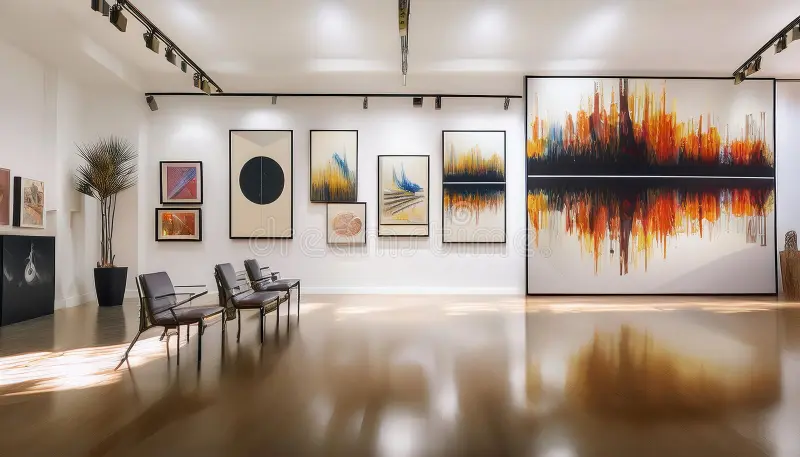
Art and sound have always been intertwined — each inspiring the other and creating moments that transcend time. The world of gallery music and music photography embodies this connection beautifully, merging auditory and visual creativity into an experience that appeals to all senses. Whether showcased in a modern art gallery or through digital platforms, this fusion allows audiences to see sound and hear art in entirely new ways.
Music photography has long been celebrated as one of the most expressive forms of visual storytelling. Every image holds emotion, rhythm, and energy. A great music photographer doesn’t just capture a picture; they translate the sound into a visual language. The motion of a guitarist’s hand, the tension in a singer’s expression, the glimmer of stage lights reflecting off instruments — each detail tells a story. In many ways, these photographs are silent songs, offering viewers a visual melody that echoes long after the music fades.
Gallery music takes that emotional experience even further. It represents curated soundscapes designed to complement visual art, whether displayed in a physical gallery or an online collection. The combination of carefully selected music and evocative photography creates a layered artistic journey — one where each piece of art feels alive, resonating with rhythm and feeling. When music photography is displayed in a gallery accompanied by its own soundtrack or ambient score, the experience becomes immersive, allowing viewers to feel as if they’re standing in the middle of a performance rather than simply observing it.
In recent years, online galleries have brought this union to a broader audience. Digital spaces now feature collections that combine music photography with original compositions or curated playlists, allowing people from around the world to explore gallery music in their own homes. Visitors can scroll through exhibitions that pair concert photography with jazz, pop, or classical arrangements, enhancing the visual impact with every beat. This seamless integration of sound and sight turns an ordinary online browsing session into an interactive art experience.
For photographers, this evolution presents exciting creative possibilities. Traditional concert photography has always aimed to capture the thrill of live performance — flashing lights, roaring crowds, and the dynamic energy of musicians on stage. But the concept of gallery music invites photographers to think differently about presentation. Instead of focusing solely on documentation, they can explore the emotional resonance between sound and space. A photograph might be paired with instrumental music that reflects the mood of the image or displayed in an online gallery where viewers can adjust the soundtrack as they explore. This creative collaboration between photographer and sound designer pushes artistic boundaries and offers new storytelling dimensions.
Audiences are also responding enthusiastically to this sensory blend. As digital consumption grows, people crave experiences that go beyond simple viewing or listening. Gallery music paired with strong music photography gives them that — an experience that connects emotion, memory, and artistry. It reminds viewers that every photograph has rhythm, and every song has imagery hidden within its notes. By merging these two worlds, artists create moments that are both personal and universal, inviting everyone to interpret the connection between sound and sight in their own way.
Technology plays a vital role in this movement. High-definition screens, immersive audio systems, and virtual reality tools now allow art lovers to experience online galleries with stunning clarity and surround sound. Some exhibitions even use motion sensors or spatial audio so that the music shifts as the viewer moves through the space — just like in a physical gallery. This innovation makes gallery music and music photography more accessible, interactive, and emotionally powerful than ever before.
From an artistic perspective, this union is also a reminder of how creativity thrives through collaboration. Musicians and photographers often draw inspiration from each other. A song might inspire a visual series, while a photograph might spark a melody. Many modern art institutions and digital galleries now recognize this synergy, curating hybrid exhibits that highlight how deeply intertwined these forms of expression truly are. Each photograph becomes a verse; each melody, a frame.
In essence, gallery music and music photography represent a perfect balance of motion and stillness. They remind us that sound can be seen and images can be heard if we allow ourselves to feel them deeply enough. Through modern galleries — both physical and online — this artistic blend continues to evolve, giving creators the freedom to tell stories that vibrate with emotion and harmony. Whether you’re a musician, photographer, or art lover, exploring the world of gallery music invites you to experience art in a way that touches every sense, proving that when sound meets sight, the result is nothing short of extraordinary.

Comments are closed.