

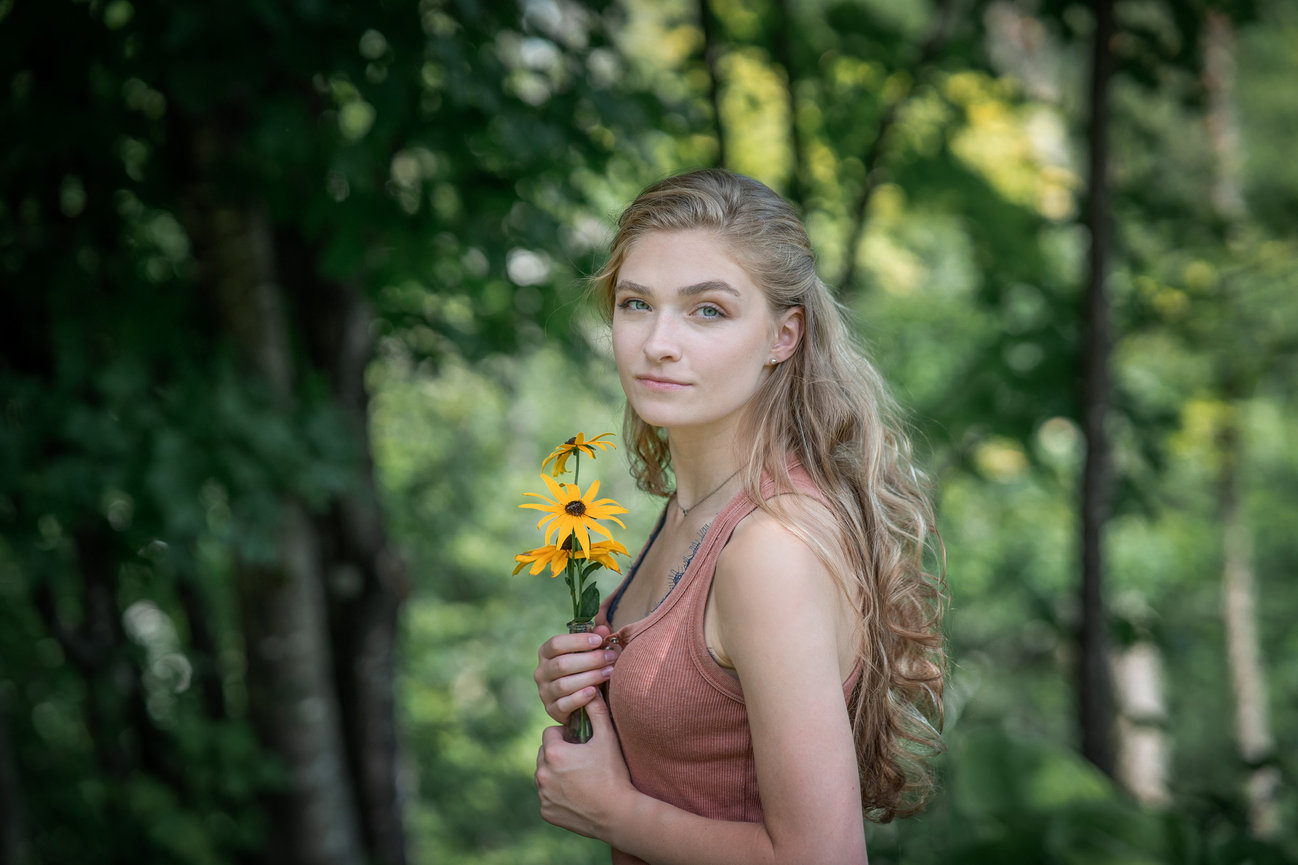
Photography, at its core, is not about the camera. It is about human connection. The difference between a good photo and a truly unforgettable portrait lies in how deeply it captures emotion, vulnerability, and story. That philosophy is the foundation of Bill Barbosa Photography, a studio renowned for turning fleeting expressions into timeless works of art. The ability to bring psychological understanding into portraiture separates professionals who merely take photos from those who create emotional experiences.
Understanding the Psychology Behind Portraiture
Every great portrait tells a story. Photographers who excel at this understand micro-expressions, posture dynamics, and the subtle cues that reveal personality. The psychology of facial behavior plays a crucial role. People convey hundreds of emotions without saying a word, and recognizing these fleeting expressions can transform an ordinary photo into a visual narrative.
When a photographer guides a client into a moment of genuine emotion—whether it’s laughter, nostalgia, or quiet strength—they build trust. That trust allows subjects to drop their defenses and show authenticity. It is not about perfect smiles; it’s about emotional truth.
Building Emotional Connection Before the Shoot
Most people feel uncomfortable in front of a camera. An expert portrait photographer knows the session starts long before the first click. Pre-shoot consultations are opportunities to understand the subject’s background, confidence level, and emotional goals. Small gestures like genuine conversation, mood-based music, or a relaxed environment can help subjects open up naturally.
This preparatory phase lets photographers understand what emotion they want to convey. For a business professional, it might be confidence and credibility. For a family, it could be warmth and togetherness. Understanding these emotional objectives is what gives the final portraits meaning.
The Role of Body Language and Posture
Body language communicates more than words. Photographers who study posture psychology can shape the message of a portrait. For example:
-
A slight tilt forward projects engagement and sincerity.
-
Crossed arms with relaxed shoulders signal authority without aggression.
-
Open palms or visible hands convey honesty and trustworthiness.
-
Eyes slightly off-camera evoke contemplation and artistic tone.
Mastering this non-verbal communication is part of crafting emotional realism. Subtle adjustments often separate portraits that “look good” from those that make viewers stop and feel something.
Lighting and Mood as Emotional Tools
Lighting is not only technical; it’s emotional. Soft diffused light creates a sense of intimacy, while directional lighting sculpts drama and depth. Using shadows strategically can suggest mystery or sophistication. High-end portrait studios use controlled light not just to illuminate, but to communicate.
The interplay of light and expression is where storytelling unfolds. In studio environments, professionals often rely on contrast ratios, color temperature balance, and highlight control to influence the viewer’s subconscious emotional response.
The Photographer’s Role as a Director
An expert portrait photographer is part artist and part psychologist. Directing a session involves reading the subject’s mood in real-time and adapting accordingly. When a client is nervous, humor helps. When confidence is needed, instruction becomes firmer.
Some of the most captivating portraits emerge in moments between poses—when a subject exhales, shifts, or reacts naturally. Recognizing those unscripted moments requires experience, patience, and intuitive empathy.
The Science of Trust and Expression
Research in neuropsychology shows that genuine smiles engage the orbicularis oculi muscles near the eyes—known as “Duchenne smiles.” These authentic expressions activate empathy in the viewer. Portrait photographers who understand these subtleties know when to capture emotional authenticity rather than forcing an artificial smile.
Trust is also visual. Studies reveal that eye contact within portraits can influence perceived reliability and warmth. A direct gaze can create a sense of intimacy, while a slightly diverted look invites curiosity. Knowing how to use these visual triggers helps photographers tell deeper emotional stories.
Crafting Visual Identity Through Emotion
Modern portraiture, especially for professionals and brands, is about crafting identity through emotion. Corporate headshots used to be stiff and formulaic. Today, they are personal statements of authenticity and confidence.
Photographers integrating emotional psychology help clients project an intentional persona—strong, kind, creative, or grounded. Whether for business branding, editorial work, or personal legacy portraits, emotional storytelling builds stronger visual identities that resonate with audiences.
Editing That Preserves Humanity
Retouching is where emotion can be easily lost. Over-editing removes the texture of real life—the faint smile lines, the natural skin tone variations, the sparkle in the eyes. The art lies in subtle enhancement, not reconstruction. Professional editors guided by emotional sensitivity retain warmth and authenticity.
By keeping the essence of the person intact, post-production becomes an extension of the portrait’s psychology. It emphasizes connection rather than perfection.
Why Emotionally Intelligent Portraiture Matters
In a visual world saturated with images, emotional depth is rare. Photos that move us are not necessarily technically perfect, but they feel honest. Emotional intelligence in photography builds client loyalty because people remember how they felt during the experience, not just how they looked.
Photographers who study psychology develop the ability to communicate, anticipate emotional responses, and guide subjects toward authentic self-expression. This approach not only elevates creative quality but also defines the future of professional portraiture.
Key Takeaways for Emotion-Based Portrait Creation
-
Establish trust before the camera comes out.
-
Use body language to shape tone and narrative.
-
Control lighting as a storytelling element, not just an exposure tool.
-
Capture unscripted transitions between directed poses.
-
Retain authenticity during editing to preserve emotion.
FAQs
Q1. How does emotional psychology improve a portrait session?
Understanding emotional behavior helps photographers guide clients toward genuine expressions, resulting in more impactful and personal portraits.
Q2. What makes a portrait emotionally engaging for viewers?
Emotional engagement comes from authenticity. When a portrait captures real emotion—joy, thoughtfulness, pride—it connects instantly because viewers relate to the feeling.
Q3. How does lighting influence emotional tone?
Soft lighting creates warmth and intimacy, while dramatic lighting adds depth and tension. Expert photographers manipulate both to match the subject’s emotional goal.
Q4. Can psychological insight help with professional headshots?
Yes. It allows photographers to portray confidence and credibility through subtle facial cues and posture adjustments without forced posing.
Q5. What separates an ordinary portrait from an unforgettable one?
Emotional truth. A technically perfect image can still feel empty if it lacks emotional depth. Unforgettable portraits combine technical mastery with empathy and understanding.

Comments are closed.