

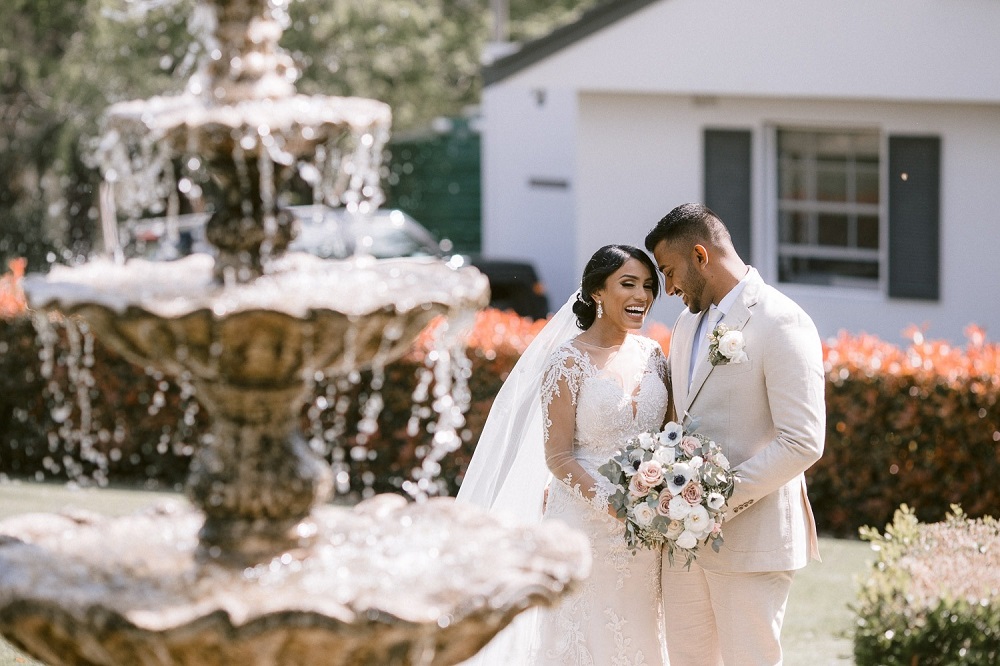
Wedding photography is one of the most demanding yet rewarding genres in the photographic industry. Unlike a controlled studio session or a commercial product shoot, a wedding is a live, fast-paced event filled with unpredictable lighting, raw human emotions, and tight schedules. A wedding photographer does not get a second chance to capture the first kiss, the walk down the aisle, or the tearful glance of a parent. To deliver images that stand the test of time, you must combine technical mastery with deep emotional intelligence and flawless event preparation.
Creating a timeless wedding portfolio requires moving beyond fleeting digital filters and overly staged compositions. Timeless memories are rooted in authenticity, clean composition, and classical lighting techniques that look as beautiful fifty years from now as they do today. This comprehensive guide outlines the vital strategies, technical approaches, and interpersonal skills required to navigate a wedding day successfully and deliver an unforgettable gallery to your clients.
Meticulous Pre-Wedding Planning and Communication
The foundation of successful wedding photography is laid months before the actual event. Entering a wedding day without a clear, structured plan invites chaos, missed moments, and elevated stress levels for both the creative team and the couple.
Conducting an In-Depth Pre-Wedding Consultation
A detailed meeting with the couple is essential to align expectations and build a comfortable rapport. During this consultation, discuss the specific visual style they desire, whether it leans toward traditional portraiture, editorial fashion, or a completely candid documentary approach. Take this time to understand the family dynamics as well, noting any sensitive relationships or specific groupings that require careful management during the formal portrait session.
Designing a Bulletproof Photography Timeline
Photographers must actively collaborate with the wedding planner to build a realistic timeline. Wedding days notoriously run behind schedule, so building in time buffers is crucial. Ensure your timeline accounts for the following critical segments:
-
Detail and Getting-Ready Shots: Allocate at least ninety minutes for capturing invitations, rings, the dress, and candid prep moments.
-
The First Look: If the couple chooses to do a first look, allocate thirty minutes in a private, well-lit location to capture this intimate reaction.
-
Formal Family Portraits: Allow roughly three to four minutes per group configuration, and keep the list concise to prevent exhaustion.
-
The Golden Hour Session: Schedule fifteen to twenty minutes just before sunset to capture romantic, softly lit portraits of the newlywed couple.
Scouting Locations and Mastering Variable Lighting
A single wedding day can take a photographer through a dizzying array of lighting environments, from dark hotel preparation rooms and harsh midday sun to dimly lit houses of worship and flashing reception dance floors.
Pre-Event Site Scouting
Whenever possible, visit the ceremony and reception venues ahead of time at the exact hour the event is scheduled to take place. Identify where the sun will fall during an outdoor ceremony, note the color of the walls and ceilings for bouncing flash indoors, and locate picturesque backdrops for the formal portraits. If a physical visit is impossible, use satellite maps and online venue galleries to familiarize yourself with the layout.
Taming Harsh Midday Sunlight
Outdoor ceremonies often occur when the sun is directly overhead, creating unflattering, harsh shadows under the eyes and nose. To counteract this, position your subjects so the sun is behind them, acting as a rim light, while utilizing a large reflector or fill flash to gently illuminate their faces. Alternatively, look for open shade under large trees or architectural overhangs to ensure soft, even illumination.
Mastering Low-Light Indoors and Reception Flash
Many churches and historic venues prohibit the use of flash during the ceremony, forcing you to rely on fast prime lenses with wide apertures like f-1.2 or f-1.4 and high ISO settings. For the reception, set up a multi-flash system. Placing one or two off-camera flashes on tall stands in the corners of the ballroom allows you to create beautiful backlighting and dimensionality, preventing your reception images from looking flat, dark, or clinical.
The Art of Documentary Storytelling
While formal portraits are an essential component of a wedding gallery, the images that couples usually treasure most are the unscripted, emotional moments that happen when they think no one is watching.
Anticipating Key Moments
Exceptional documentary wedding photography relies on anticipation rather than reaction. If you wait until a guest starts crying or laughing to raise your camera, you have already missed the peak of the emotion. Learn to read the room by watching body language. Keep one eye on the couple and the other on the front row of guests during the vows and speeches, ready to capture the immediate ripple effect of emotional moments.
Blending Into the Background
To capture authentic expressions, you must remain as unobtrusive as possible. Avoid wearing bright clothing; opt for professional, dark attire that allows you to move quietly through the crowd. Utilize a camera body with a completely silent electronic shutter mode to eliminate distracting clicking sounds during quiet ceremony moments. Using longer telephoto lenses, such as a 70-200mm, allows you to capture intimate interactions from a respectful distance without interrupting the natural flow of the moment.
Crafting Flattering and Natural Portraits
Posing non-professional models can be challenging, as many couples feel stiff or self-conscious in front of a high-end camera setup. Your role is to guide them into positions that look elegant yet completely natural.
Focusing on Action-Based Prompts
Instead of instructing a couple to stand completely still and smile directly at the lens, use motion-based prompts that encourage genuine interaction. Ask them to walk toward the camera while looking at each other, whisper a funny secret in each other’s ear, or take a slow, elegant turn on the path. Movement relaxes the muscles, eases anxiety, and results in natural expressions, genuine laughter, and organic body language.
Paying Attention to the Fine Details
As the photographer, you must scan the entire frame for minor distractions before pressing the shutter button. Check that the groom’s jacket is pulled down smoothly, the bride’s veil is laid out elegantly, dresses are not caught on shoes, and boutonnieres are pinned straight. Fixing these small details in real time saves hours of meticulous digital correction during the post-production phase.
Structuring an Efficient Digital Workflow
The responsibility of a wedding photographer does not end when the reception music stops. Managing thousands of priceless files safely and efficiently is what separates true professionals from amateurs.
Implementing an Immediate Backup Protocol
Memory card failures are rare but catastrophic. Ensure you shoot with a camera body that features dual memory card slots, writing images to both cards simultaneously in real time. The moment you return from a wedding, ingest the files onto a primary hard drive, create an immediate duplicate on a secondary external drive, and upload the selection to a secure cloud backup system before formatting any cards.
Maintaining Classical, Timeless Post-Processing
Resist the urge to follow short-lived editing trends, such as heavy orange skin tones, completely desaturated greens, or artificially blown-out highlights. A timeless wedding gallery features true-to-life skin tones, accurate color replication, balanced contrast, and clean whites. Trends fade quickly, but clean, natural color rendering ensures the images will look sophisticated and relevant for generations to come.
Frequently Asked Questions
What type of secondary backup gear is absolutely mandatory for a wedding photographer?
A professional wedding photographer should never arrive at a venue with only one camera body or a single lens. You must carry at least two high-performance camera bodies, a variety of versatile lenses covering wide to telephoto focal lengths, multiple external flash units, a massive supply of pre-charged batteries, and far more high-speed memory cards than you anticipate needing. If any single piece of gear malfunctions, your backup equipment must allow you to continue shooting without a second of interruption.
How do you handle guests who constantly block your view with their smartphones?
The most effective way to manage this issue is to encourage the couple to host an unplugged ceremony. This involves having the officiant make a brief announcement before the processional begins, politely asking guests to turn off their phones and cameras so they can be fully present. If a guest still steps into the aisle with a phone, remain calm, quickly shift your physical position to adjust your angle, or utilize a longer lens to shoot past the obstruction.
What is the best way to create a comprehensive shot list for a wedding day?
Keep your written shot list limited specifically to unique family formal combinations and highly specific sentimental details, such as an heirloom handkerchief or a custom dress embroidery. Avoid printing out generic internet shot lists that include standard items like the first kiss or the cake cutting; trying to check off hundreds of basic boxes distracts your attention away from capturing the real, spontaneous moments happening around you.
How should a photographer handle sudden, unexpected rain on an outdoor wedding day?
Preparation is key to managing inclement weather. Always keep a collection of high-quality, clear umbrellas in your equipment vehicle; these look beautiful on camera and keep the couple dry during outdoor portraits. Additionally, familiarize yourself with the indoor spaces of the venue ahead of time so you can quickly pivot your portrait locations to covered porches, elegant foyers, or window-lit hallways if the weather turns severe.
Why is an engagement photo session highly recommended before the wedding day?
An engagement session acts as a valuable dress rehearsal for the wedding day. It allows the couple to get comfortable with your shooting style, learn basic posing vocabulary, and overcome any initial camera shyness. For the photographer, it provides an opportunity to see how the couple interacts naturally, which angles flatter them best, and what type of communication helps them relax, ensuring maximum efficiency on the actual wedding day.
How do you handle a wedding schedule that has fallen significantly behind?
When time gets compressed, remain completely calm to prevent the couple from panicking. Instantly prioritize your shot list by focusing exclusively on the core essentials, such as classic couples’ portraits and immediate family groupings. Condense your posing routines into high-efficiency setups where you can capture a wide shot, a medium shot, and a close-up from a single location before moving, allowing you to maximize variety in a fraction of the time.

Comments are closed.